Attraction in Newport
Sparkling azure blue waters of the ocean and vibrant,verdant slopes make this 3.5 miles a real pleasure! It is present in Newport city. Here is what a traveler says " The cliff walk was a true highlight from our trip to Newport, RI. The walk is 3 1/2 miles total, but can be shortened if you pick segments of the path. It runs along the water on one side and to the backyards of many beautiful and unique mansions on the other side. The walk has segments of man-made pathways, steps and clearings, though other segments require you to step between large rocks, up and down hills and across rougher terrain which we felt added a more natural and adventurous feel to the trip.The walk offered a different view and gorgeous landscapes around every corner and nook which is what made it such a visually appealing, fun and peaceful experience!" For more information, please see here.

Along the coast of Newport is a rambling walk where the waters of the Atlantic ocean break against the cliffs of Aquidneck Island. Cliff Walk is rated as one of the top things to do in this summer resort town in New England. There is good reason.There are no fancy restaurants or special attractions along the walk. Just you, the seagulls, several famous mansions, and the coastline. Of course, in the summer time you will also likely have your fair share of tourists sharing the walk with you. I, however, was thankful to be visiting Newport in the beginning of March. The weather was consistently cold and windy and we even had a snow storm during the five days I was there. But none of that could have, nor did it, stop me from enjoying this tranquil part of town.

Newport, Rhode Island, is well known as a summer resort town full of opportunities to sail, shop, congregate at the beaches, and tour remarkable mansions from the Gilded Age of New England. Several of these attractions are not open year round. Or, as with the mansions, they are open on a limited basis. I cherished my quiet time spent meandering around the city. Traveling with no kids (what a rarity that is!!!) I had more than enough time to take in the scenery. Though several areas are closed and weather can affect outdoor adventures, the city of Newport does not shut down in the winter as other resort cities do. There is enough of a local and military population to keep restaurants, shops, and attractions open. However, traveling in the winter meant the streets were not full of traffic or crowds gathering at the popular spots. I didn’t have to wait even a minute to get into The Breakers, the mansion I chose to tour. Cliff Walk was the same. Other than the occasional bundled up family out to get some fresh air, or adorable couples out walking their dogs, it was incredibly silent and serene. Silent for all but the waves breaking on the coastline and the water running down the rocks.
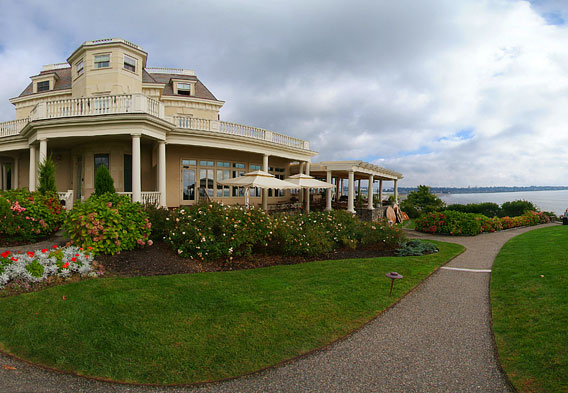
While out walking, I sent many pictures and videos to my friends and family boasting of my moments of peace and tranquility. I walked up and down the open section of Cliff Walk (parts were washed away due to hurricane Sandy, but they are hoping to have those open by this June) several times during my five day stay. I relished, many times in the fact that I was visiting Newport in the winter and I was able to partake in a different tour of the city than the average summer traveler does.
Comments
Post a Comment